
Mold Removal
MOLD REMOVAL IN Elk River, MN
The EPA gives you 24 to 48 hours to dry a wet material before mold begins colonizing it, and a Minnesota basement rarely dries that fast on its own. GNL Enterprises, LLC handles mold removal and mold remediation in Elk River, MN, covering black mold testing, containment, HEPA filtration, removal of saturated drywall and subfloor, antimicrobial treatment, and clearance verification. Every job runs on moisture readings and 20 years of tracing water back to the point where it actually entered.
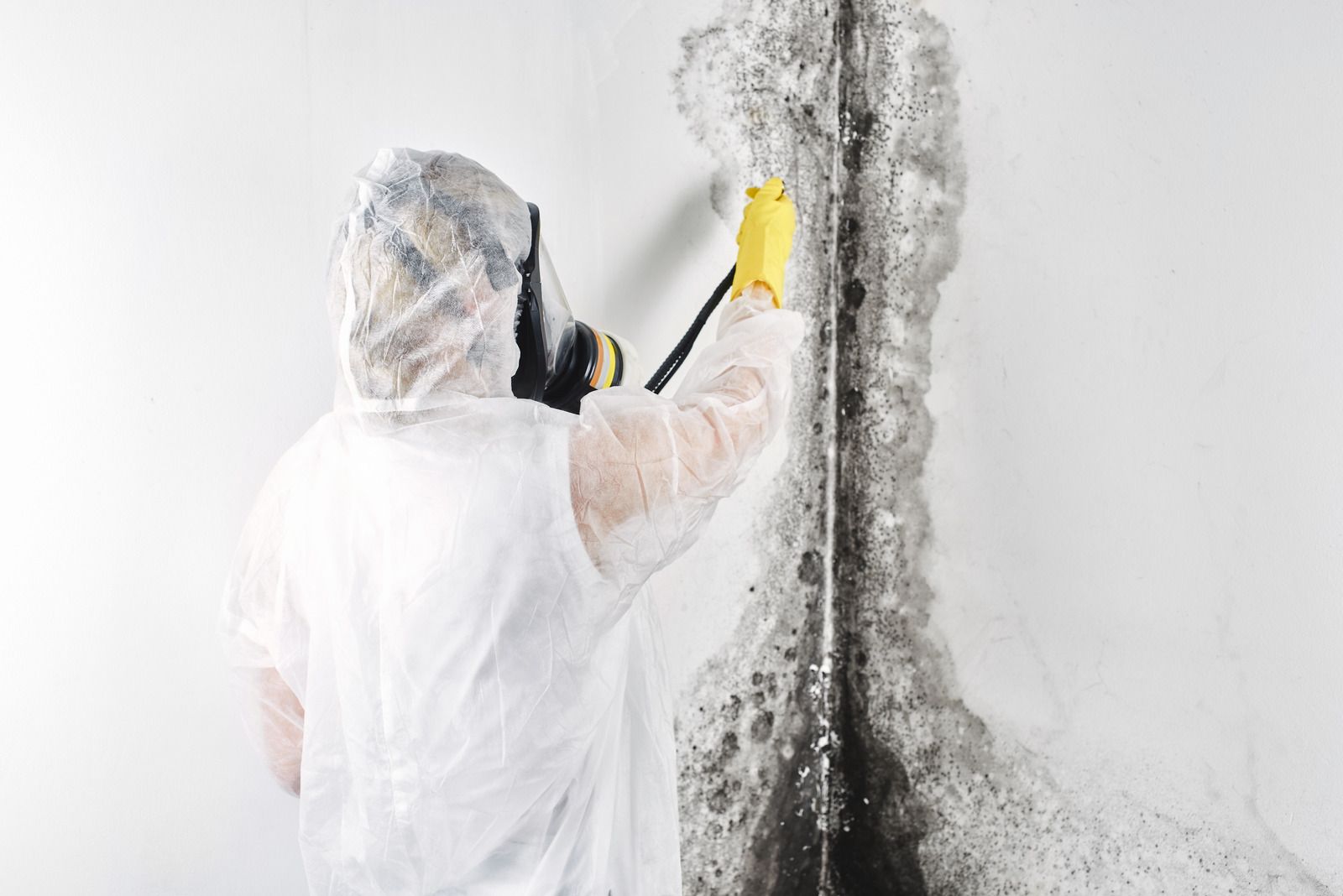
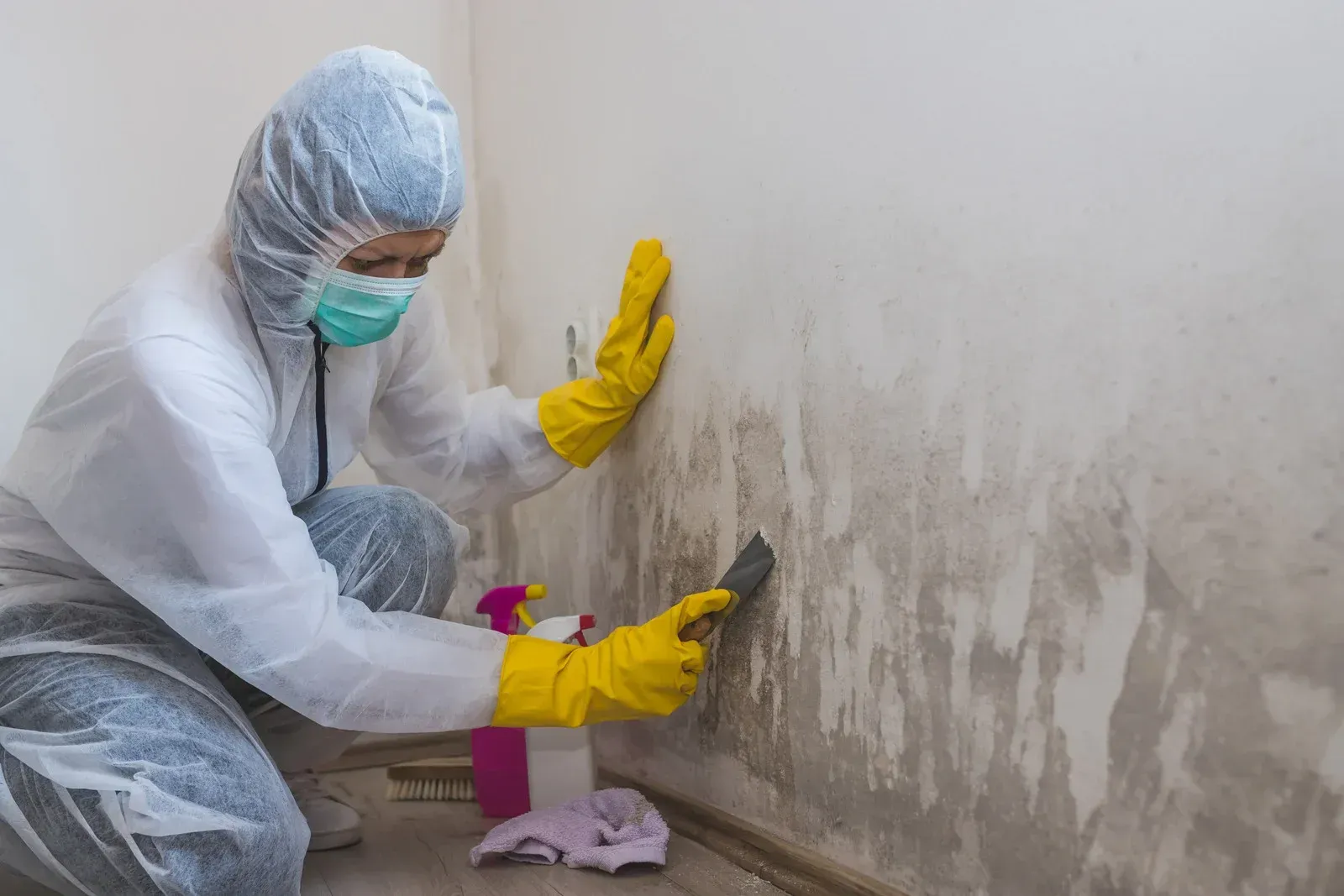
SPORES ARE NOT THE PROBLEM. WATER IS.
Mold spores are in every building in Minnesota, indoors and out, all year. They are inert until they land on something organic that stays wet, and then they are a colony within days. That is why removal without moisture correction is a temporary result: scrub the drywall, leave the failed flashing, and the same wall grows the same growth by spring.
So the first hour of any job is spent with meters and a flashlight rather than a pry bar. We find the water first, then decide what actually has to come out of the wall.
- Moisture meters and borescope before demolition
- Sealed containment with negative air pressure
- HEPA filtration running throughout the work
- Post-remediation verification before we close up
MOLD REMOVAL
WHAT A FINISHED BASEMENT HIDES IN ELK RIVER.
Finished basements are where we find the worst of it. Studs sit tight against foundation walls that pass soil moisture, carpet pad traps whatever gets past the slab, and fiberglass batts hold water without showing a mark. Nothing is visible from the room side, so the first symptom is usually an odor or an allergy season that never quite ends. By then the wall cavity has been damp for a year or longer.
RIVER-TOWN FOUNDATIONS FAIL IN PREDICTABLE PLACES.
Elk River, MN sits on the Mississippi, and a good share of the older housing stock has fieldstone or block foundations built long before anyone thought about vapor barriers. We know where those leak: the cold joint at the footing, the rim joist above grade, the corner where a downspout dumps against the wall. Knowing the pattern shortens the search and keeps demolition to what is truly wet.
20 YEARS OF OPENING WALLS AND BEING RIGHT.
20 years in Minnesota houses teaches you which stains matter and which are old, dried, and harmless. It also teaches restraint, which is the harder half. We have walked into plenty of basements where the homeowner expected a gutted room and left instead with a corrected downspout, a dehumidifier recommendation, and a clean bill of health. Would you rather hear the truth or buy a project you did not need?
WHY CHOOSE US FOR MOLD REMOVAL.
THE SOURCE GETS FIXED
A repair that ends the water ends the problem. Correcting the leak, the grade, or the ventilation gap in the same visit means you are not paying a second time next spring for the same square of wall.
CLEAN ROOMS STAY CLEAN
Containment and negative air keep spores inside the work area instead of riding the furnace into bedrooms upstairs. The rest of the house is livable while the job runs, and nothing new turns up in it a month afterward.
PROOF, NOT PROMISES
Clearance testing after removal gives you a document, not a handshake. That matters at closing, at a rental inspection, and with an insurer who wants evidence the affected material actually left the building instead of getting painted over.
LESS DEMOLITION THAN YOU FEAR
Mapping moisture carefully before cutting keeps the opening small. Framing that reads dry stays put, salvageable finishes stay put, and you get a repair scope measured against readings rather than an estimate written for the worst possible case.
THE AIR CHANGES FIRST
Households notice the difference within days of the growth leaving: less headache, less congestion, less of that heavy smell in the stairwell. Removing the reservoir does more for indoor air than any filter you can buy off a shelf.
NOTHING SOLD THAT IS NOT NEEDED
Plenty of calls end with a recommendation to run a fan and watch a spot for 2 weeks. Telling you that costs us a job and earns the call we get 3 years later about something that is real.
WHAT WE REMOVE
OUR MOLD REMOVAL WORK
Six distinct pieces make up a complete remediation, and most jobs need several of them. What follows is the work itself, from the first sample through the verification that says the room is finished and safe.
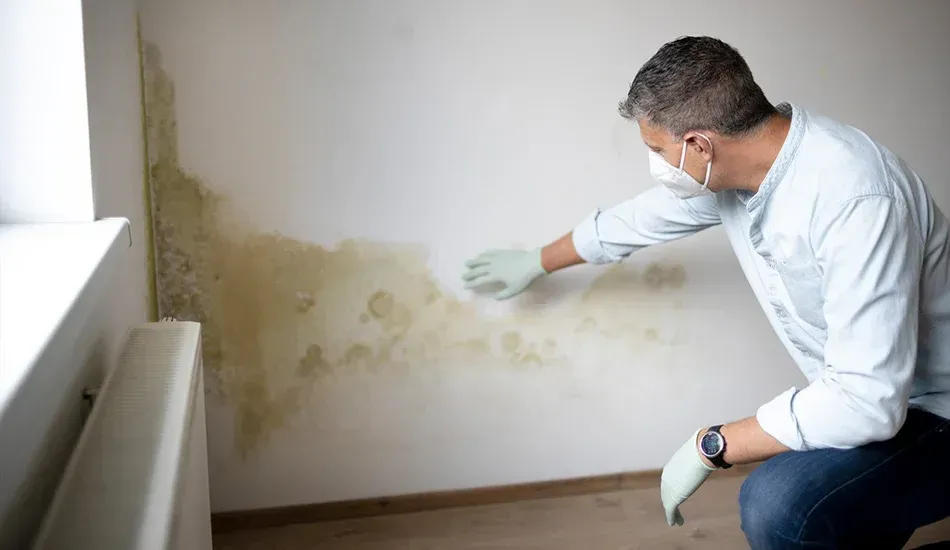
AIR SAMPLING
Mold Testing and Inspection
Indoor and outdoor air samples read side by side, surface swabs on suspect material, and moisture readings through walls and floors. The comparison shows whether counts inside are truly elevated against the baseline outdoors on the same afternoon.
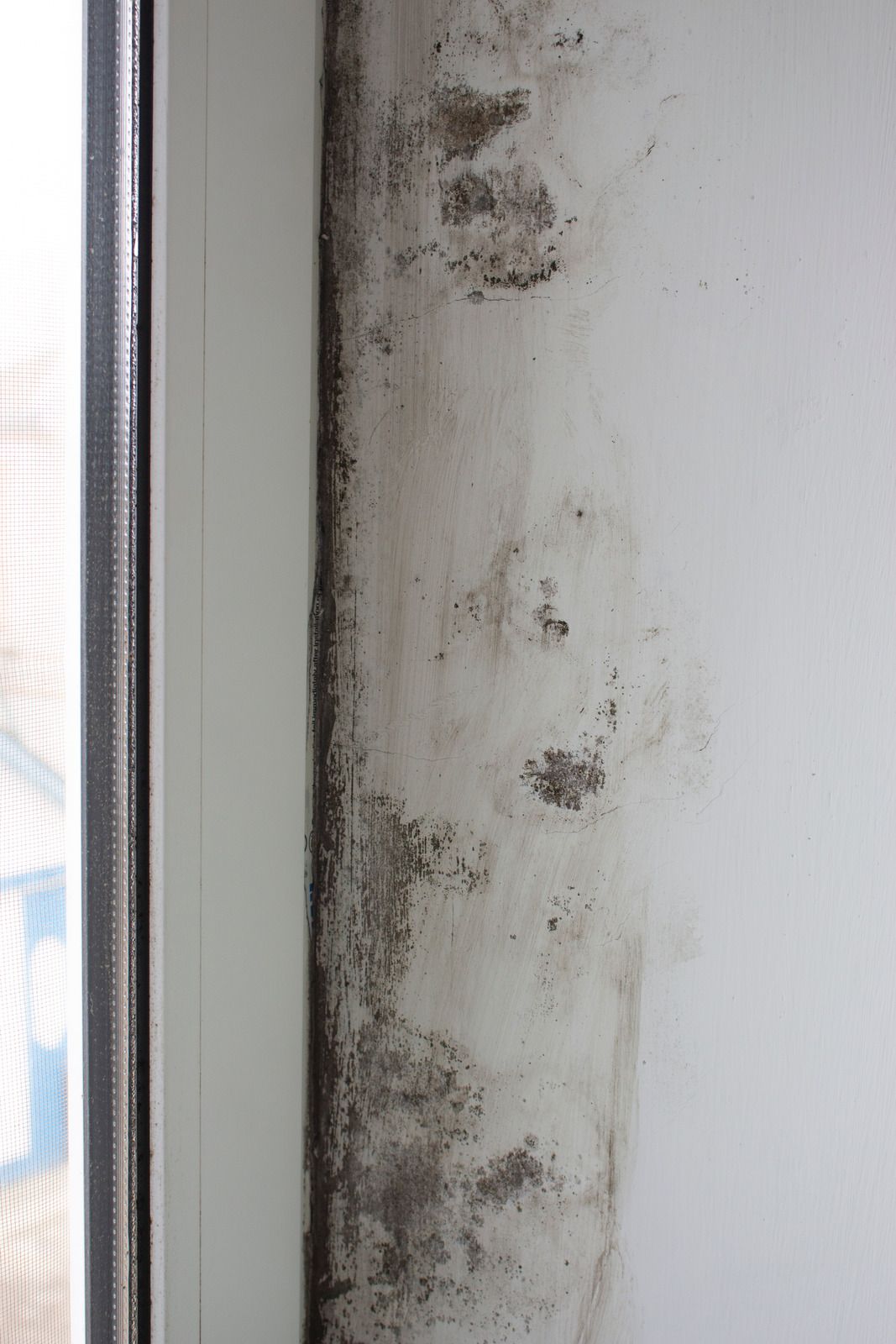
BLACK MOLD
Stachybotrys Remediation
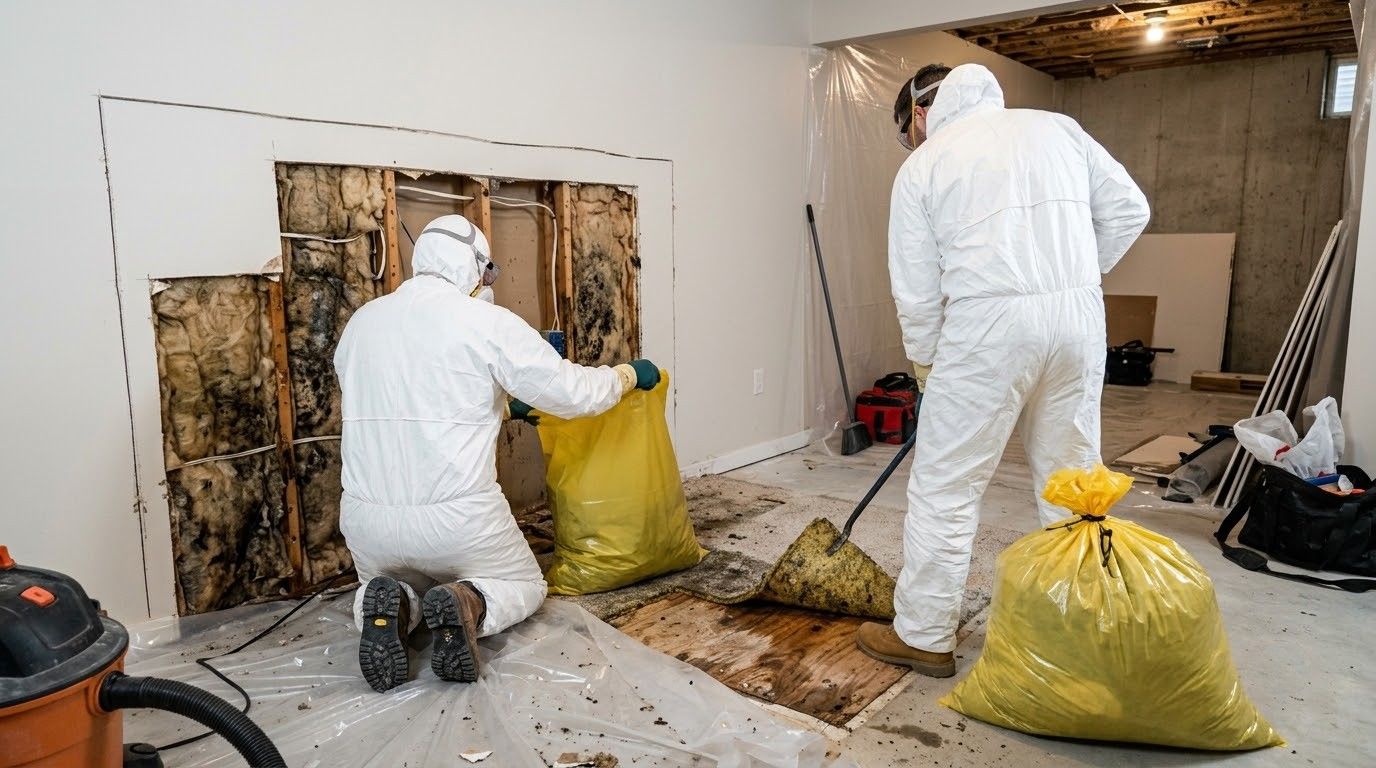
The dark growth that follows long-term saturation gets full containment, negative air pressure, and disposal of every affected porous material in sealed bags. Nothing is disturbed until the barrier is up and the filtration is already running at full speed.
WET MATERIALS
Contaminated Material Removal
Drywall, insulation, carpet pad, and subfloor that have absorbed water past saving come out and go straight into sealed disposal. Cut lines follow the moisture map, so sound material on the dry side stays exactly where it is.
HARD SURFACES
Antimicrobial Treatment
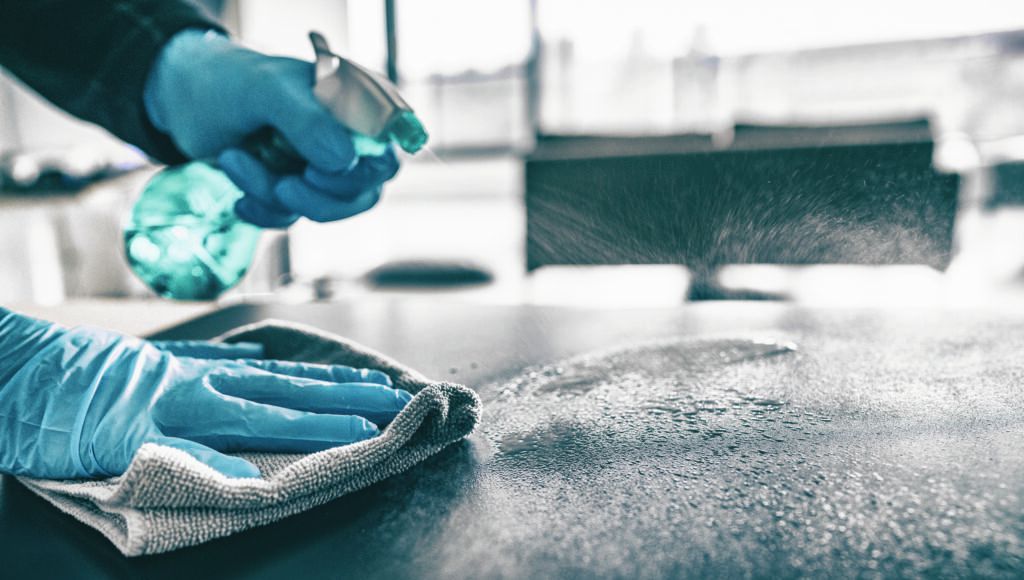
Framing, joists, block, and bare concrete get scrubbed, HEPA vacuumed, and treated once the porous material is gone. Structural wood is almost always salvageable, which keeps a remediation from turning into a full framing rebuild nobody planned for.
DRYING OUT
Structural Drying and Dehumidification
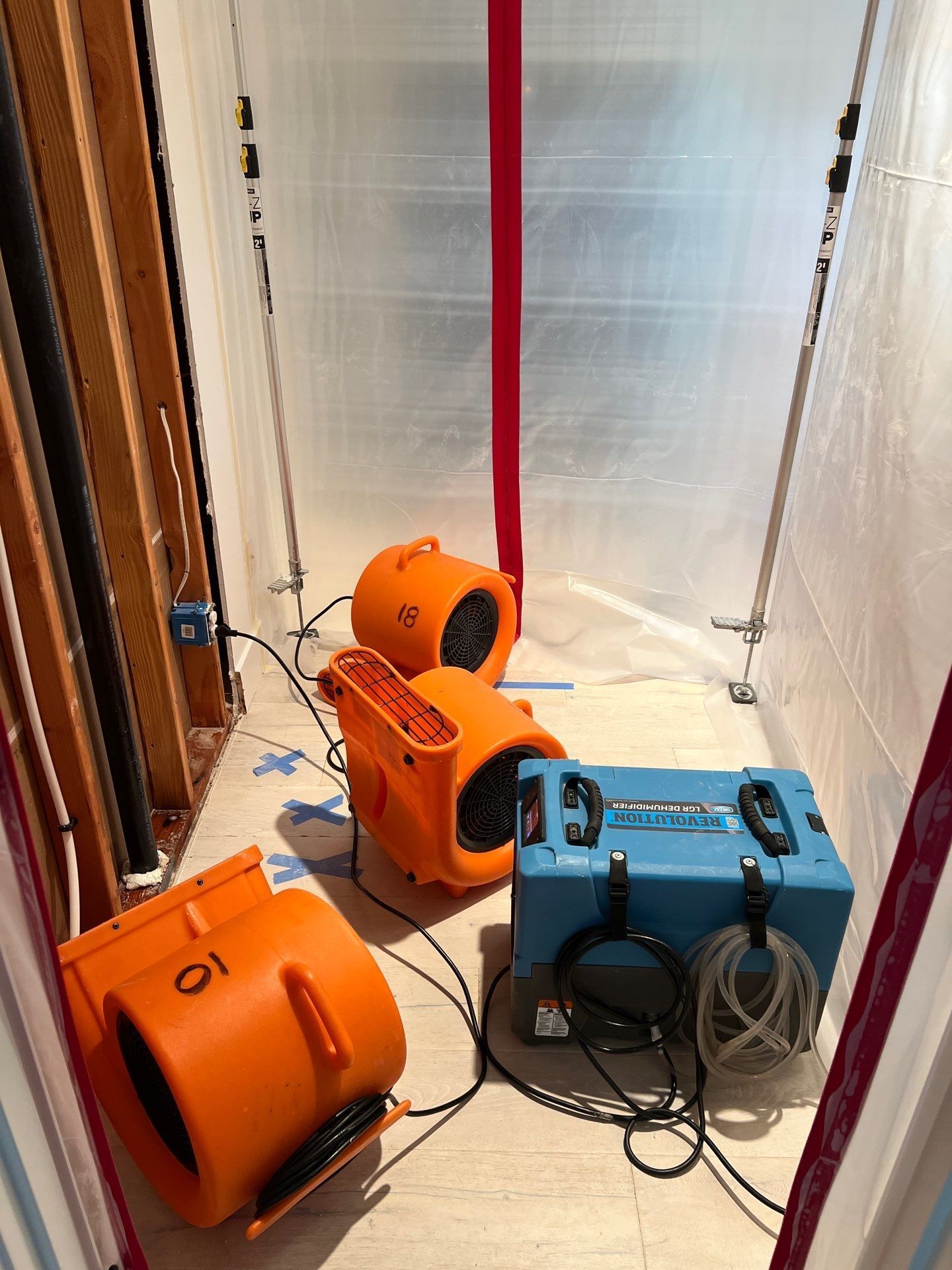
Air movers and low-grain refrigerant dehumidifiers pull the cavity back to a normal moisture content before anything is closed. Readings are logged daily, because a wall that looks dry on the surface can still be wet inside the cavity.
FINAL CHECK
Post-Remediation Verification
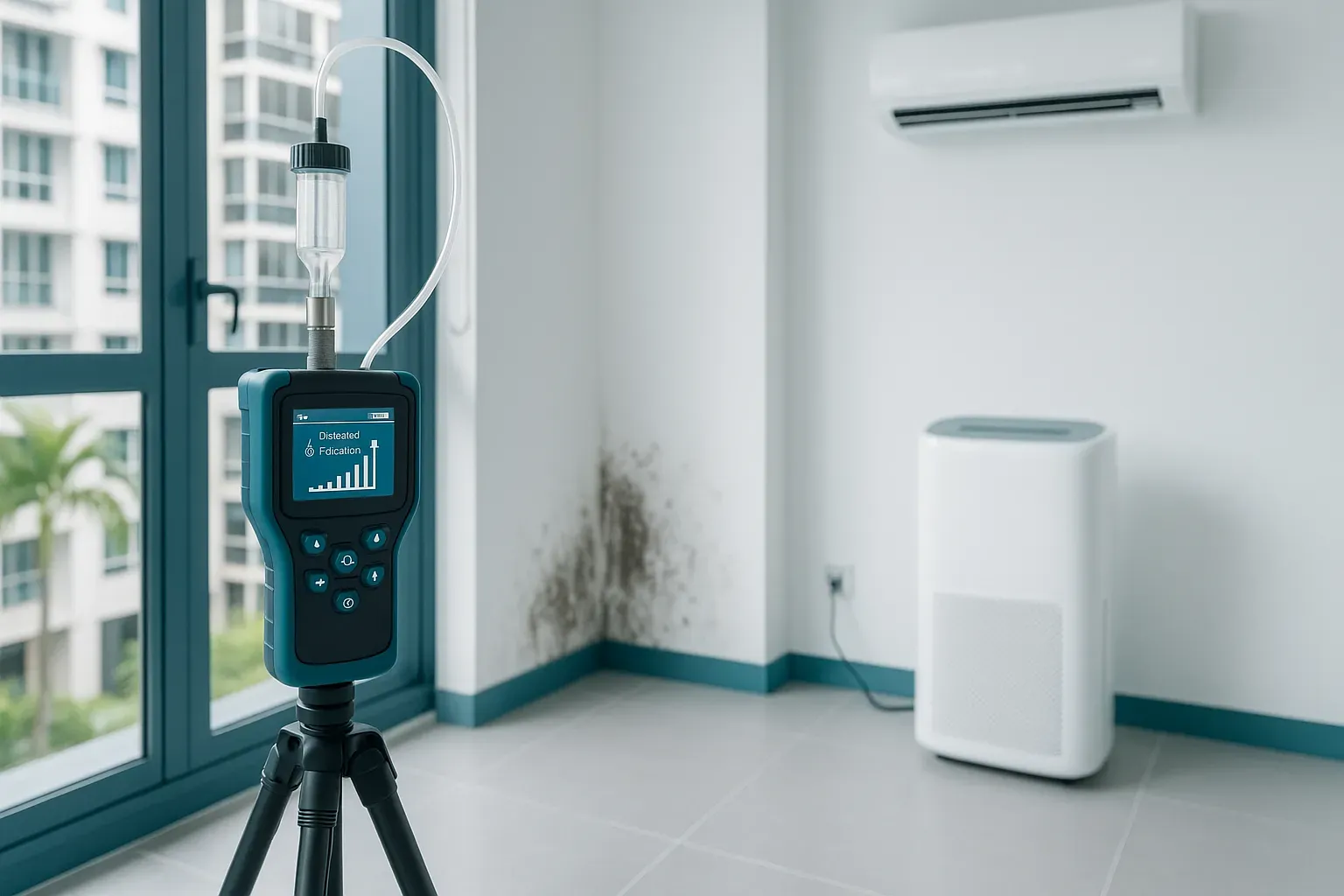
A second round of air samples after the work confirms counts have returned to normal against the outdoor baseline. You get the numbers in writing, which is what a buyer, an insurer, or a property manager asks for.
Common Questions
FREQUENTLY ASKED QUESTIONS.
These come up on nearly every mold call, usually before anyone has agreed to an inspection. Short answers here; the longer version depends entirely on what the meters actually say.
How do I know if I have mold in my home?
Visible growth, a persistent musty odor, and symptoms that improve when you leave the house are the three common signals. Staining on a ceiling or baseboard, warped trim, and a history of leaks all justify a closer look.
What is the difference between mold removal and mold remediation?
Removal takes out only the growth you can see. Remediation covers the entire job: containment, removal, treatment, drying, correcting the moisture that caused it, and verifying afterward that the spore counts have actually come back down to normal.
How long does mold remediation take?
Most residential jobs run 1 to 3 days, and drying time can add another 2 or 3. GNL Enterprises, LLC scopes the timeline in Elk River, MN after the moisture readings, because a wet cavity sets the pace.
Can I stay in my house during mold remediation?
Usually yes, when the work area is sealed and under negative pressure and the rest of the home stays accessible. Anyone with asthma or a compromised immune system is better off elsewhere until the final clearance comes back.
Does bleach kill black mold?
On glass and sealed tile, yes. On drywall, wood, and other porous material the water in bleach soaks in while the chlorine stays on the surface, so the colony living underneath it gets fed rather than killed off.
What happens if mold is left untreated?
It spreads along whatever stays damp, so the repair scope grows with every season. Framing softens, drywall crumbles, spore counts climb through the house, and a job that was one wall becomes an entire room and its ceiling.
Will mold come back after remediation?
Not if the water is gone. Recurrence in the same spot means the source was missed or never corrected, which is why GNL Enterprises, LLC ties every removal in Elk River, MN to a documented moisture fix on the same visit.
Does homeowners insurance cover mold removal?
It depends on the cause. Sudden, accidental water damage such as a burst supply line upstairs is often covered; long-term seepage, humidity, and deferred maintenance almost never are. Documentation of the original source decides most claims either way.
HOW WE WORK
FROM FIRST CALL TO CLEARANCE, HERE IS HOW.
STEP 01
Walk the Building With You
We start where you noticed something and then keep going, because the visible spot is rarely the origin. Basement, crawl space, attic, bath fans, downspouts, and exterior grade all get looked at on that first pass.
STEP 02
Measure Before Anyone Cuts
Moisture meters across suspect surfaces, a borescope where a cavity needs to be seen, and air samples taken inside and out. The readings decide the scope, so nothing in your house gets opened up on a hunch.
STEP 03
Put the Scope in Writing
You get the findings, the photos, and a clearly defined scope before the first sheet of plastic goes up in a doorway. If the answer is that nothing needs removal, that is exactly what the written report says.
STEP 04
Seal the Work Area Off
Plastic barriers, taped seams, and a negative air machine running on HEPA filtration keep the work zone under lower pressure than the rooms around it. Nothing travels down a hallway while wet material is coming back out.
STEP 05
Remove, Treat, and Dry
Saturated porous material goes into sealed bags, hard surfaces get HEPA vacuumed and treated, and air movers with dehumidifiers run until the cavity reads normal. Daily readings tell us when the drying is actually finished, not before.
STEP 06
Verify and Hand It Back
Clearance samples confirm the room is back to normal, the containment comes down, and you receive the full written record: photos, readings, scope, and results. Rebuild can start knowing exactly what is behind the new drywall going up.
SCHEDULE AN INSPECTION
GET THE WALL OPENED BY SOMEONE WHO KNOWS WHY.
A stain on a basement wall is a question, not a verdict, and the answer is usually cheaper than the worry. GNL Enterprises, LLC finds where water gets into houses around Elk River, MN and closes that path for good, whether the fix is a downspout extension or a full remediation with clearance testing. Send the details and a few photos through our contact page, and we will tell you what we think before anyone opens anything.
WHAT YOUR REMEDIATION COVERS:
- Air and surface sampling with an outdoor baseline
- Moisture mapping of walls, floors, and framing
- Sealed containment and HEPA filtration
- Removal and disposal of unsalvageable material
- Structural drying logged to a normal reading
- Clearance testing and a written report