
Radon Testing
RADON TESTING IN Elk River, MN
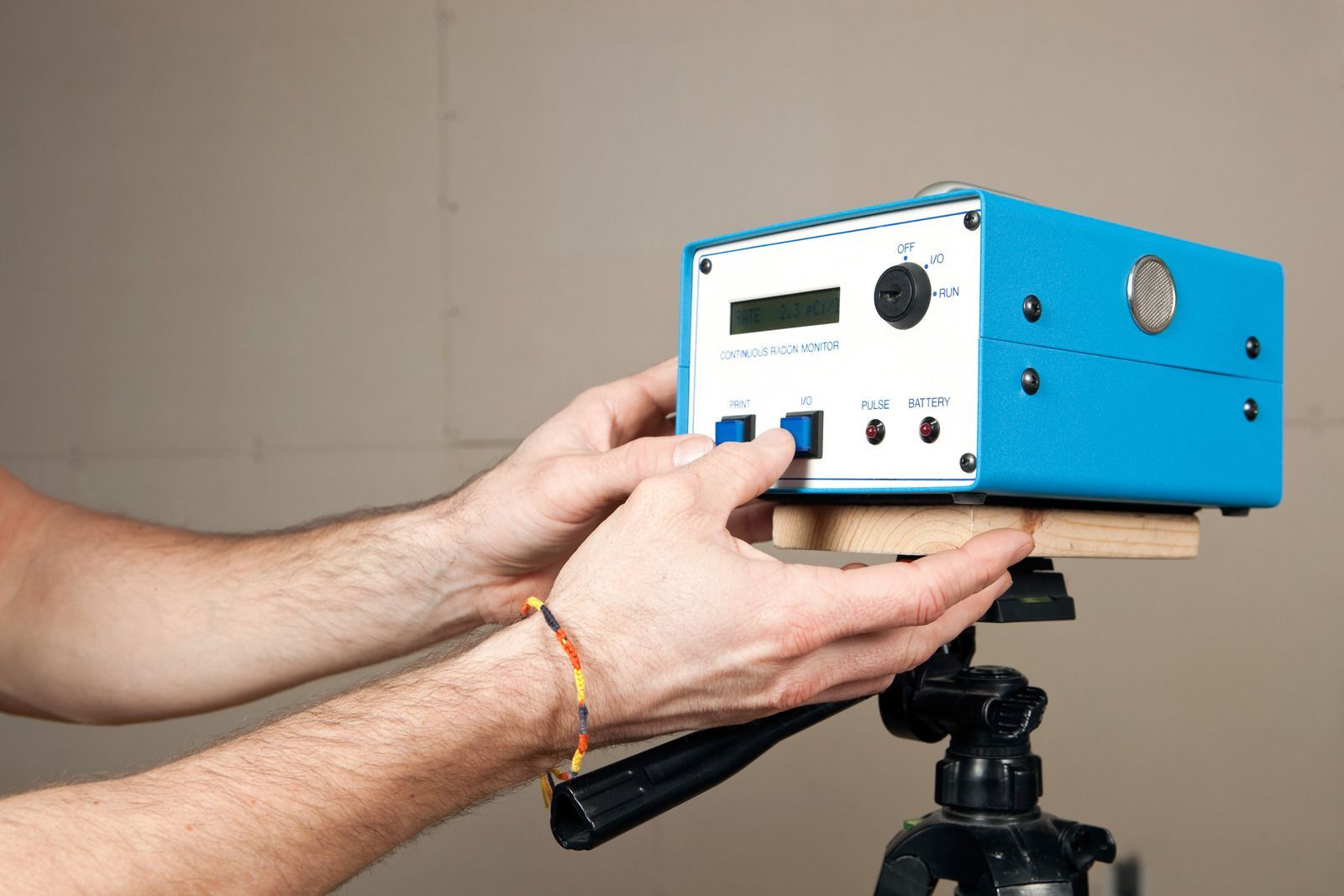
The average Minnesota home reads 4 pCi/L indoors against a national average of 1.3, and 2 in 5 homes tested here come back at levels the state calls a major health risk. GNL Enterprises, LLC performs radon testing in Elk River, MN using continuous monitors under closed-house conditions, with results documented for real estate disclosure, mitigation decisions, and post-mitigation verification. Every placement follows the ANSI/AARST protocol, because a number is only as good as the conditions it was taken under.
THE GAS DOES NOT ANNOUNCE ITSELF.
Radon has no smell, no color, and no immediate symptom. It comes out of uranium decaying in soil and rock, seeps through slab cracks, sump openings, and foundation joints, and collects in the lowest occupied level. The EPA ranks it the leading cause of lung cancer among people who never smoked. A test is the only way anyone finds out.
Minnesota geology makes that test unusually worth doing here. Roughly 72 percent of counties in the state fall into the highest EPA radon zone, and Sherburne County is certainly not one of the exceptions.
- Continuous monitors approved for licensed testing
- Closed-house conditions verified before placement
- Results formatted for a purchase agreement
- Post-mitigation retesting when a system goes in
RADON TESTING
SHERBURNE COUNTY SOIL PUSHES GAS UPHILL.
Glacial deposits across this part of Minnesota are loose and permeable, which lets soil gas move easily toward whatever is drawing it. In winter a heated house is exactly that draw: warm air rises and escapes upstairs, negative pressure builds at the slab, and the house pulls radon straight out of the ground through every crack, joint, and sump opening it has, all season long.
MINNESOTA SITS IN THE COUNTRY'S HIGHEST RADON TIER.
Homes here average more than three times the national indoor level, and the state has written that into law. Since 2019 anyone testing a building they do not own or lease must hold a Minnesota Department of Health license and follow ANSI/AARST protocols. New residential construction has required a passive radon control system under Minnesota Rules since 2015, which tells you how seriously the state takes it.
A NUMBER IS ONLY WORTH THE PROTOCOL BEHIND IT.
A radon result can be wrong in a dozen ordinary ways: a monitor set too close to an exterior wall, a window left open on day one, a test run during a storm front, a device placed on the wrong floor. 20 years of placements has made us fussy about all of it, because the number ends up in a purchase agreement where nobody gets to explain it.
WHY CHOOSE US FOR RADON TESTING.
A RESULT THAT HOLDS UP
Testing done strictly to protocol survives scrutiny from a buyer's agent, a lender, or a second independent tester. Placement, duration, and closed-house conditions are all documented, so nobody has to relitigate the number 2 weeks later at closing.
CLARITY BEFORE YOU SPEND
Mitigation is a real expense, and it should follow a real number. Knowing whether a house reads 2.1 or 9.4 changes the decision entirely, and plenty of tests here come back low enough to do nothing at all.
DISCLOSURE HANDLED PROPERLY
Minnesota sellers have to put radon knowledge in writing before a purchase agreement is signed. A current, properly documented test answers that requirement cleanly instead of leaving a blank line that makes buyers nervous about the whole deal.
THE LOWEST LEVEL GETS TESTED
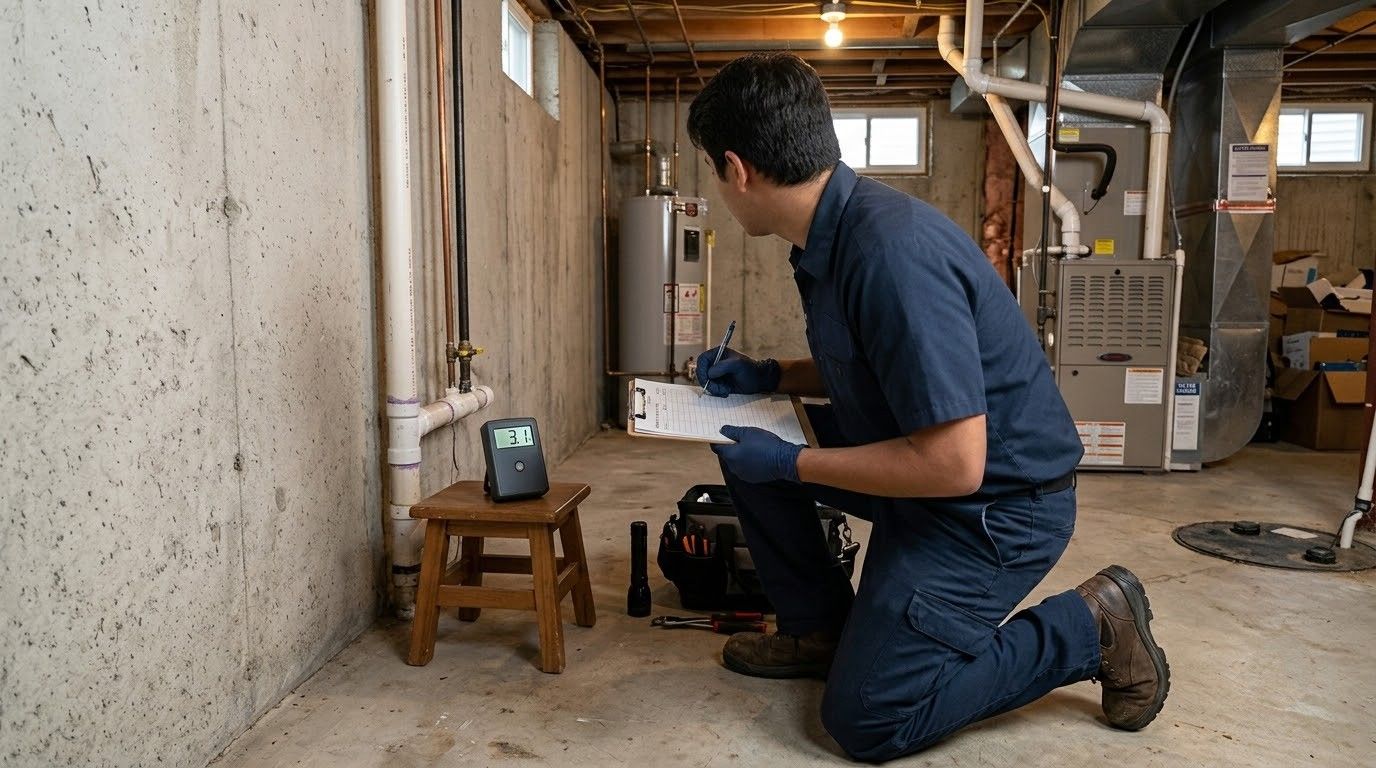
Measurement belongs where people spend time, which usually means a finished basement bedroom or a home office rather than a utility corner. Testing the wrong floor produces a comfortable number that describes nobody's actual exposure in that house.
ONE VISIT, TWO ANSWERS
Soil gas and soil moisture generally use the same openings. While a monitor runs, the basement can be checked for the cracks, sump gaps, and damp slab conditions that quietly let both of them into the house above.
NO PRESSURE TO MITIGATE
We test, we report, and we explain. If the reading sits comfortably below the action level, we say so and the conversation ends there. A recommendation to install a system only follows a result that actually warrants one.
WHAT WE MEASURE
OUR RADON TESTING WORK
Radon work splits into six jobs, and which one you need depends on why you are asking. A closing, a remodel, a new baby in a basement bedroom, and a finished mitigation each call for something different.
SHORT TERM
Short-Term Radon Testing
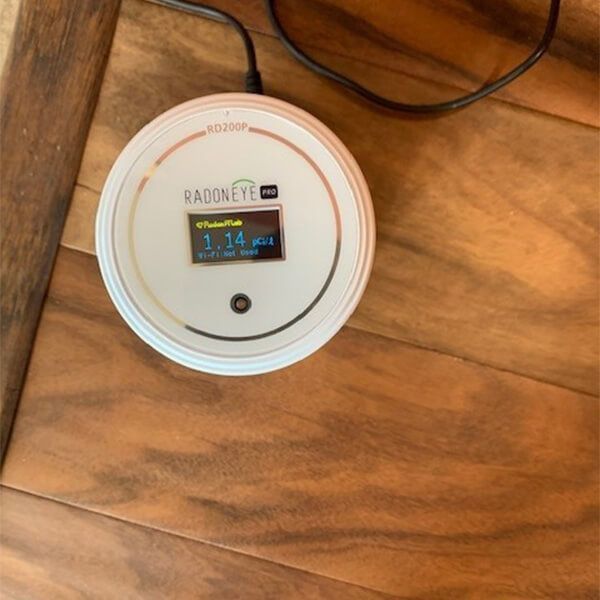
A continuous monitor placed on the lowest livable floor for a minimum of 48 hours under closed-house conditions. It records hourly, so the report shows the swing across the test rather than a single averaged figure at the end.
LONG TERM
Extended Radon Monitoring
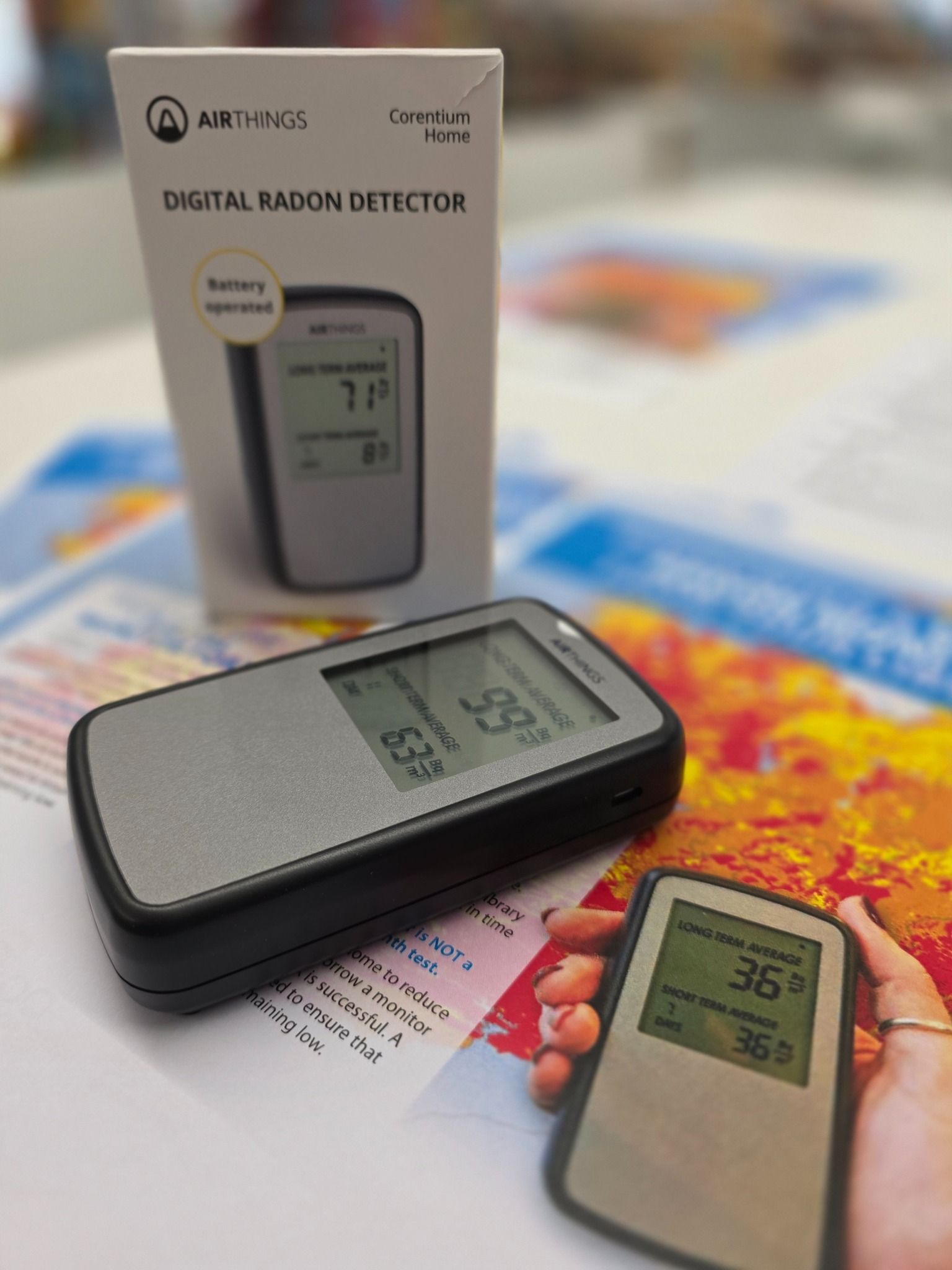
Levels swing with weather, season, and how the house is being run, so a test lasting 90 days or more gives a truer annual picture of exposure. Worth doing when a short-term result lands right near the action level.
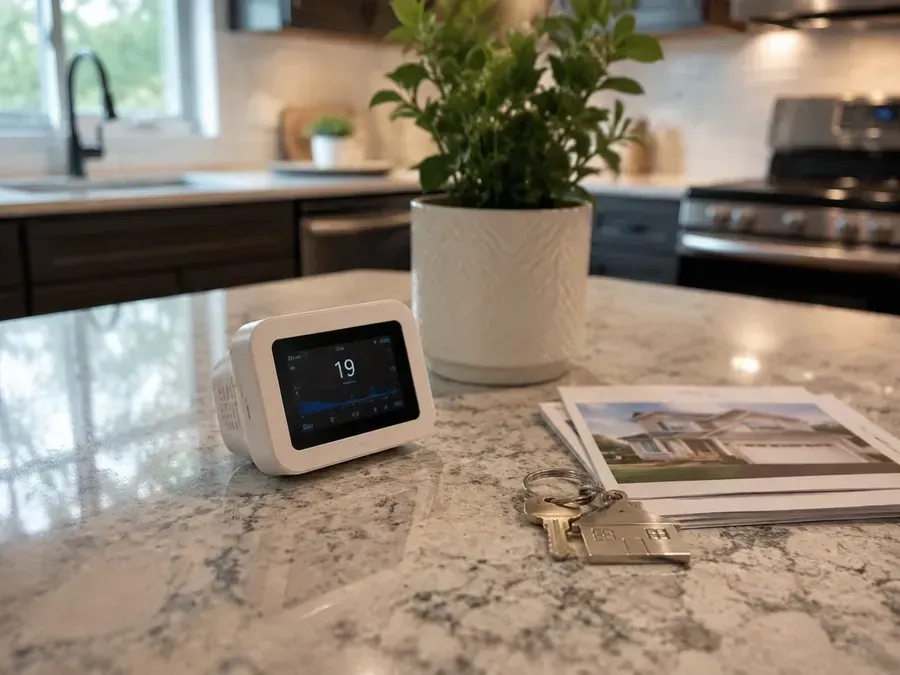
REAL ESTATE
Radon Testing for Home Sales
Transaction testing runs on a tight clock and a strict protocol, with tamper indicators and documented closed-house conditions. The report is formatted so it can be attached to a disclosure without anyone later questioning how it was done.
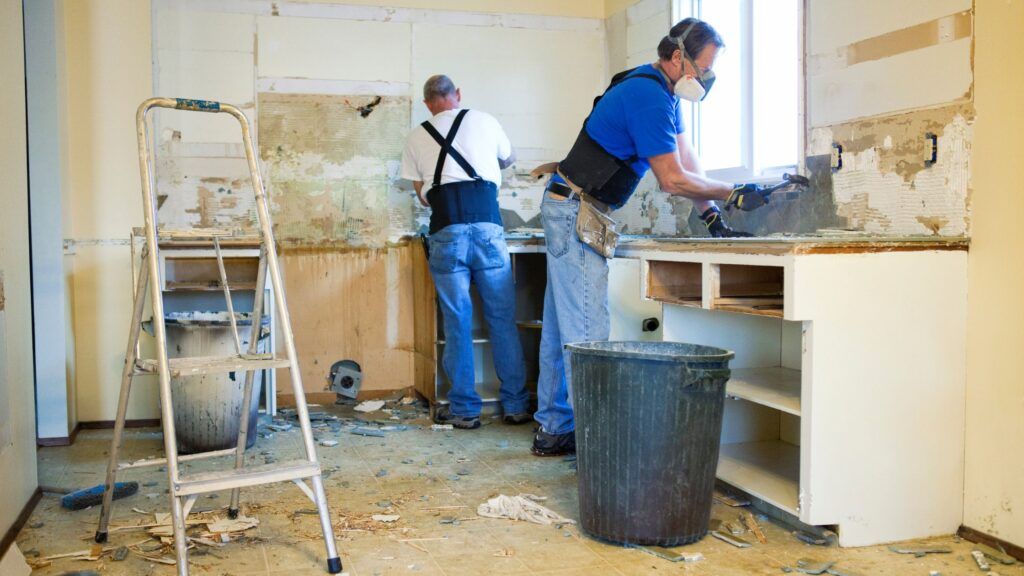
NEW BUILDS
Post-Construction Radon Testing
A passive system in a new slab reduces entry but does not guarantee a low reading. Testing after occupancy shows whether the pipe is doing enough on its own or whether a fan needs to be added to it.
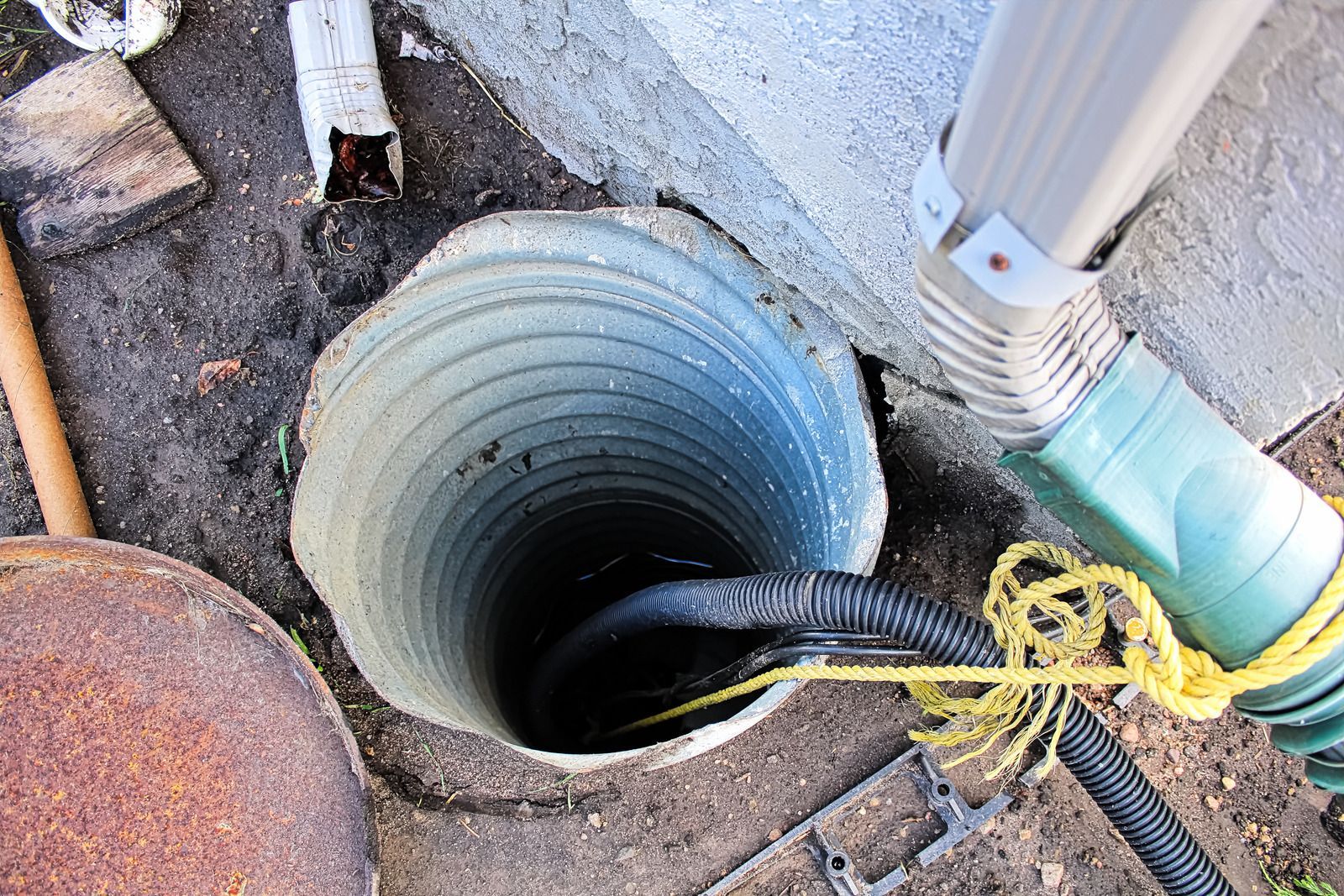
ENTRY POINTS
Foundation and Sump Assessment
Slab cracks, control joints, an open sump basket, a floor drain, and the gap around plumbing penetrations are the usual routes. Identifying them early tells you how a mitigation system would need to be laid out down there.
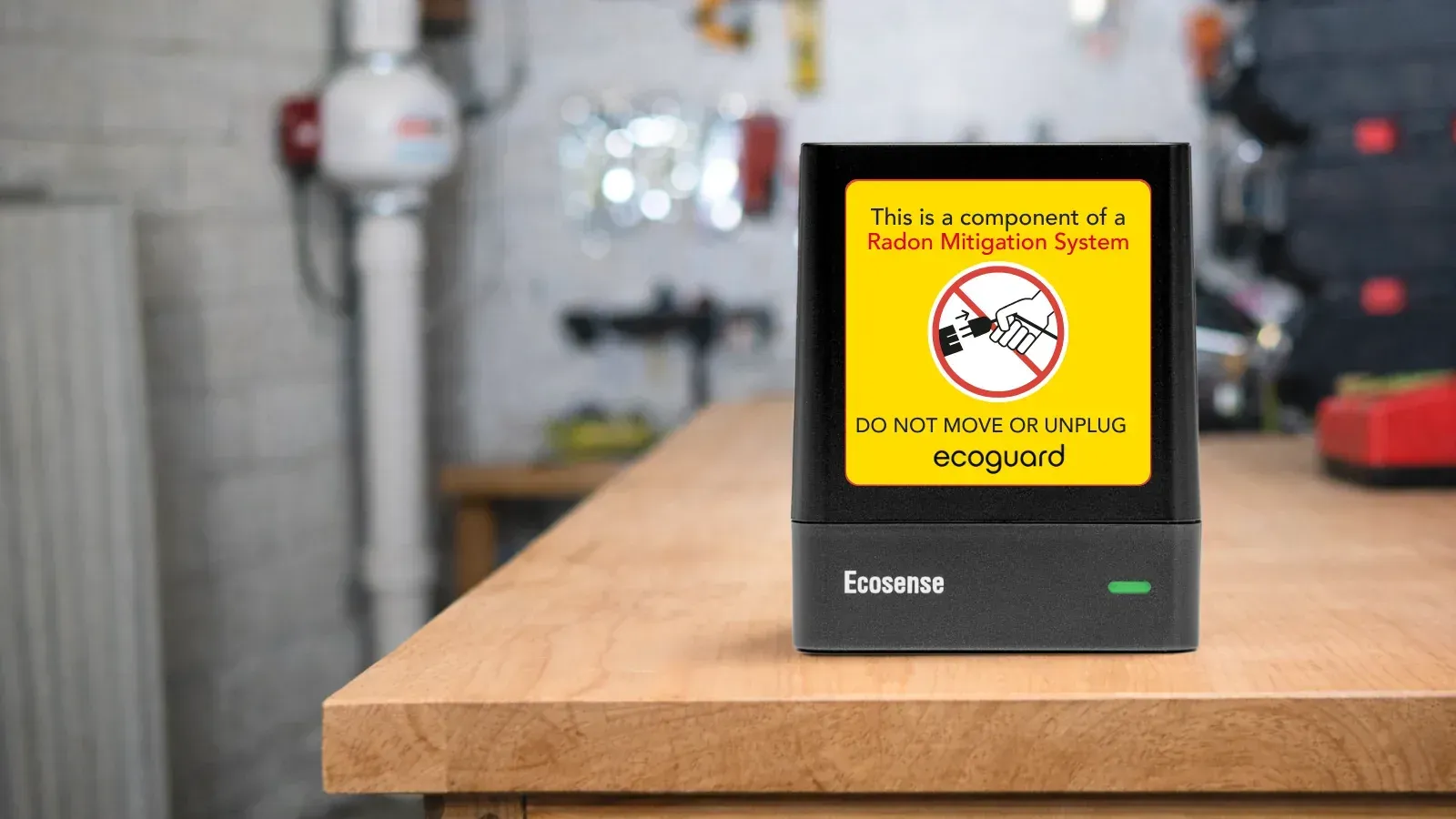
AFTER MITIGATION
Post-Mitigation Verification
A radon system is only working if the reading proves it. Retesting after installation confirms the fan and the piping actually brought the level down, and gives you a document to keep with the rest of the house records.
Common Questions
FREQUENTLY ASKED QUESTIONS.
Radon questions almost always arrive with a real estate deadline behind them. These are the ones we answer most, usually in the first 2 minutes of the call.
What is a safe radon level in a home?
No level is risk-free, but the EPA action level is 4 pCi/L and the agency suggests considering mitigation anywhere between 2 and 4. Below 2 most households take no action at all, and that is a reasonable call.
How long does a radon test take?
A short-term test runs a minimum of 48 hours with the house closed up, and GNL Enterprises, LLC usually has results to homeowners in Elk River, MN the same day the monitor comes back out of the basement.
Can I test for radon myself?
You can. A homeowner testing their own property needs no license in Minnesota, and hardware-store kits work well enough if the instructions are followed exactly. For a sale, though, most buyers still want a licensed professional result instead.
What time of year is best to test for radon?
Winter gives the highest readings, because a heated house pulls hardest on the soil and the windows stay shut. A test any month is better than none, but a January number is the conservative one to work from.
Does Minnesota require radon disclosure when selling a home?
Yes. Sellers must give buyers a written radon disclosure and a copy of the Minnesota Department of Health publication on radon in real estate transactions before the purchase agreement is signed. Existing test records have to go in it too.
What happens if my radon test comes back high?
A mitigation system vents soil gas out above the roofline with a sealed pipe and a fan, and typically drops the level well below 4 pCi/L. GNL Enterprises, LLC retests afterward across Elk River, MN to confirm the result.
Do new homes in Minnesota already have radon systems?
Newer construction is required to include passive radon piping under the slab, which lowers entry but does not guarantee a safe reading. Plenty of these houses still test high and need a fan added to the existing pipe.
Can radon get into a home through well water?
It can, though the airborne path up through the foundation is far more common. Water from a private well can release dissolved radon during showers and laundry, which is worth testing separately if indoor levels stay stubbornly high.
HOW WE WORK
FROM PLACEMENT TO REPORT, HERE IS HOW.
STEP 01
Confirm What the Test Is For
A closing, a remodel, a health concern, or a check on an existing system each set different requirements for duration, placement, and documentation. 5 minutes on the phone settles which one applies before anything is scheduled.
STEP 02
Set Closed-House Conditions
Windows and exterior doors stay shut for 12 hours before the test starts and throughout it. Normal heating and cooling keep running; whole-house fans and window units do not. We explain exactly what to leave alone.
STEP 03
Place the Monitor Correctly
The device sits on the lowest livable level, away from exterior walls, drafts, vents, and direct sun, at breathing height. Position is recorded with the start time, because both of them matter a great deal to the result.
STEP 04
Let It Run the Full Window
A continuous monitor logs hourly for at least 48 hours. Hourly data shows whether a spike came from a storm front or an opened door, which a single averaged number would quietly hide from everyone involved.
STEP 05
Walk the Entry Points
While the monitor runs we look at the slab, the sump, the floor drains, and the plumbing penetrations. If mitigation turns out to be needed, the layout is already understood rather than guessed at weeks later.
STEP 06
Deliver a Report You Can Hand Over
You get the average, the hourly graph, the placement details, and the conditions the test ran under. It is written to go straight to an agent, a lender, or a mitigation contractor without any further explanation needed.
SCHEDULE A RADON TEST
GET A RADON NUMBER YOU CAN ACTUALLY USE.
Radon is the rare household hazard with a clean answer: one measurement, taken properly, settles the question for years. GNL Enterprises, LLC places monitors across Elk River, MN and the surrounding communities under the closed-house conditions the protocol requires, and delivers a report that holds up at a closing table or in front of a mitigation contractor. Tell us the address and the deadline through our contact page, and we will get a monitor placed.
WHAT YOUR RADON TEST COVERS:
- A licensed placement on the lowest livable level
- Closed-house conditions confirmed before the start
- Continuous monitoring for a minimum of 48 hours
- Hourly data, not just a single average
- Foundation and sump entry points reviewed
- A report formatted for disclosure or a lender